Rick Owens barely ever gets name dropped in the same moment as the usual runway people. His outfits look like they were peeled from some other realm , but in a way that is oddly familiar too. Most designers run after trends or the next seasonal color song every single year. Owens took the long path and built something closer to a private mythology, and somehow kept stacking it for decades. He treats fashion like a weird mix of sculpture, architecture, and straight up rebellion. That combo makes him hard to copy, or even fully mimic without losing the point. This piece kinda breaks down what keeps him separate from the pack.
A Different kind Of Beauty
Owens usually doesn’t chase the standard cute prettiness like most brands still do. His models often look stern, almost not of this planet, moving with a heavy sort of purpose. Beauty for him includes decay, asymmetry , and those unfinished edges left out in the open. Most fashion houses sand everything down until it’s perfectly polished, and safe. Owens leaves the rough parts visible, like scars almost, not hiding them at all. That choice makes some viewers uncomfortable while it hits others super hard. His version of attractiveness also carries age, oddness, and a quiet menace in it. So the shows end up feeling less like presentations and more like rites.
Draping That Breaks The Usual Rules
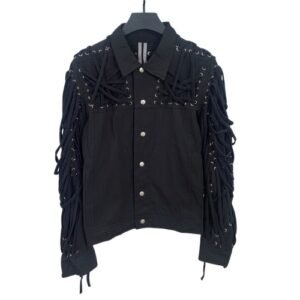
Draping is basically at the center of everything Owens makes, every season. He twists fabric around the body instead of obeying standard pattern logic. Jackets drop off shoulders at odd, almost “maybe it slipped” angles, consistently. Sleeves run far past hands, hiding fingers like they belong to the shadows instead of the person https://rickowns.com/. This doesn’t read as careless tailoring. It’s engineered to look unfinished on purpose. Other designers often push precision, symmetry, and clean structural lines like they’re the whole religion. Owens goes for movement, tension, and a measured imbalance inside each and every silhouette. That commitment to imperfect shapes stays unmistakably his, no question.
His Muted Color Philosophy
Go into any Owens show and gray seems to take over most garments like it owns the room. Black, bone, dust, faded plaster tones show up again and again through entire collections. Bright colors barely show up, and when they do it feels harsh, like a sudden interruption. This restraint isn’t just laziness or plain minimalism. It’s a deliberate shrinking of visual noise. When color doesn’t shout, texture and silhouette become the loudest parts in the whole outfit. Other designers use color to quickly signal mood, season, or whatever theme is the headline. Owens uses absence instead, so the meaning gets carried by shape and shadow. That discipline creates a consistency that feels almost monastic in a strange way.
Grunge Meets High Fashion
Owens grew up with punk music, skate culture, and that Californian street rebellion vibe. That origin never vanished from his design language, even after decades of major success. Luxury fashion tends to keep itself far from anything that looks like dirt or disorder. Owens folds grime in, distress in, and raw edges right into couture territory. Leather looks cracked, seams look exposed, and hems look intentionally frayed across the run of a piece. People get thrown off if they expect luxury to always mean spotless finishing. For Owens, luxury is basically honesty about wear, damage, and the imperfect truth of being human. So the rebellion becomes something collectors now chase, sometimes paying absurd amounts for it.
Building A Whole World
Owens doesn’t just push clothing season by season like most fashion houses do. He expanded into furniture lines, concrete sculptures, and even a personal architectural way of thinking. His Paris place looks more like a brutalist temple than a typical office. Everything, from chairs to lights, seems to echo the same aesthetic DNA as the clothes. This “everything belongs together” environment approach makes the brand feel like a philosophy instead of a catalog. Most designers keep clothing separate from furniture, art, and daily living spaces completely. Owens merges them until customers are basically stepping into an entire worldview. That immersive consistency is pretty rare even among the biggest established labels.
Owens And His Community
Rick Owens built a loyal following that acts almost like a subculture. Fans call themselves devoted, and some even tattoo his logo onto their skin. This doesn’t feel like the regular brand devotion you see with mainstream luxury houses. It’s more like fandom around music, or the kind of underground art waves people join without needing permission. Owens pulls that in by staying personally visible, unfiltered , and often surprisingly candid. He talks about aging, sexuality, and mortality without a lot of editing during interviews and on show nights. Other designers protect their image carefully, keeping distance from public vulnerability. Owens does the opposite, and his audience responds to that openness hard.
Why His Vision Keeps Holding Up
Even decades deep, Owens hasn’t softened his look just to get more approval from the masses. A lot of designers eventually chase commercial comfort and dilute the original vision more than they admit. Owens grew his audience, but he didn’t ditch the grunge , distortion, or those muted color choices. His collaborations, including sneakers with major sportswear brands, still read unmistakably as his. That steady consistency creates trust with buyers who care more about authenticity than passing hype. Critics often point out how recognizable his silhouettes stay across collections. Nobody mistakes an Owens jacket for someone else’s output. That instant identity is probably the main reason his influence keeps rising steadily.