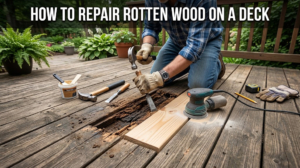
A deck can be a great place to relax, entertain guests, or enjoy time outdoors, but constant exposure to rain, humidity, sunlight, and changing temperatures can eventually damage the wood. One of the most common problems homeowners encounter is wood rot. Rotten boards may look discolored, soft, cracked, or swollen, and if the problem is ignored, it can spread to nearby boards and even affect the deck’s structural components. Fortunately, minor wood rot can often be repaired before it turns into a much larger and more expensive project.
If you’re dealing with damaged decking and aren’t sure whether you should repair or replace it, getting professional advice can be helpful. Homeowners looking for Deck Repair in Greenville can have the damaged areas evaluated to determine whether a simple board replacement is enough or whether the underlying structure also needs attention. Understanding how wood rot develops and how to address it properly can help you protect your deck and extend its useful life.
What Causes Wood to Rot on a Deck?
Wood rot is primarily caused by prolonged exposure to moisture. Unlike indoor wood, a deck has to withstand rain, snow, humidity, and moisture from the surrounding environment throughout the year. When water repeatedly enters cracks, joints, or unprotected wood fibers, it creates conditions where wood-decaying fungi can thrive.
Poor drainage can make the situation worse. Leaves, dirt, and other debris can collect between boards and trap moisture. Water may also sit around posts, stairs, or areas where boards meet other structural components.
Other factors that contribute to deck rot include:
- Lack of regular sealing or staining
- Damaged or peeling protective coatings
- Poor airflow beneath the deck
- Improperly spaced decking boards
- Water pooling around posts or stairs
- Soil or vegetation touching wooden components
- Old fasteners that allow water to enter around holes
Identifying and correcting the source of moisture is just as important as replacing the rotten wood. Otherwise, new boards may eventually develop the same problem.
How to Tell If Deck Wood Is Rotten
Not every cracked or discolored board is rotten. Before replacing anything, inspect the wood carefully.
Look for Soft Spots
Healthy deck wood should feel firm when you press on it. Rotten wood may feel soft, spongy, or unusually weak. You can gently press a screwdriver or similar tool against suspicious areas. If the tool easily penetrates the wood, decay may be present.
Avoid aggressively digging into the board, especially if you’re inspecting a structural component. The goal is simply to determine whether the wood has lost its strength.
Check for Discoloration
Rotten wood may appear darker, lighter, or noticeably different from the surrounding boards. Discoloration alone doesn’t always mean the wood is rotten, but it can be a warning sign when combined with softness or cracking.
Examine Cracks and Splits
Small surface cracks are common as wood ages, but deep splits can allow water to penetrate into the board. Pay particular attention to cracks around fasteners, joints, and areas where water tends to collect.
Inspect the Underside
Whenever possible, inspect the underside of the deck. The bottom of boards and structural components may remain damp longer because they receive less sunlight and airflow. Posts, beams, joists, and stair supports deserve particular attention.
Decide Whether to Repair or Replace the Wood
The next step is determining how extensive the damage is. Small areas of surface deterioration may sometimes be cleaned, dried, and treated. However, severely rotten wood generally should not be patched and left in place.
If a decking board has substantial decay, replacement is usually the safer option. Rotten structural components such as joists, beams, or posts require even more caution because they support the weight of the deck.
A useful rule is simple: if the wood has lost significant strength, replace it rather than trying to disguise the damage.
You should also check nearby boards. Rot can spread or occur in multiple areas because the same moisture conditions affect neighboring wood.
Steps for Repairing Rotten Deck Boards
1. Identify the Full Extent of the Damage
Before removing anything, inspect the damaged board and the surrounding area. Look underneath it if possible and check nearby joists or supports.
Determine whether the problem is isolated or part of a larger moisture issue. If several boards are affected, there may be a drainage, ventilation, or waterproofing problem that needs to be addressed.
2. Remove the Rotten Board
Wear appropriate protective equipment, including gloves and eye protection. Remove the screws or nails securing the damaged board.
If the fasteners are difficult to remove, work carefully rather than forcing the board and damaging the surrounding structure. Once the fasteners are removed, lift out the damaged section.
If only part of a board is rotten, cutting out the affected section may be possible in some situations. However, the replacement piece needs adequate support underneath it. For widespread decay, replacing the entire board is usually more practical.
3. Inspect the Supporting Structure
This is one of the most important steps. Don’t simply install a new board over a damaged joist.
Check the joist beneath the removed decking. Look for softness, cracks, discoloration, or other signs of deterioration. If the supporting wood is compromised, it may need repair or replacement before new decking is installed.
Structural repairs can be more complicated than replacing a surface board. If you’re unsure about the condition of the framing, consider having a qualified deck professional inspect it.
4. Address the Moisture Problem
Replacing rotten wood without correcting the cause is only a temporary solution.
Clean leaves and debris from between boards. Make sure water can drain away from the deck and that vegetation isn’t blocking airflow. Check gutters and downspouts near the deck as well, since concentrated water runoff can contribute to repeated moisture exposure.
Where appropriate, improve ventilation and make sure the deck has enough clearance from the ground.
5. Install a Matching Replacement Board
Choose replacement wood that is suitable for outdoor deck construction and, when possible, matches the existing decking in type, thickness, and dimensions.
Measure carefully before cutting. The replacement board should fit properly without being forced into place. Adequate spacing between boards is also important because it allows water to drain and helps the wood dry after rainfall.
Use exterior-rated fasteners designed for deck construction. Avoid relying on unsuitable indoor screws or fasteners that can corrode quickly outdoors.
6. Seal or Stain the Repaired Area
Once the repair is complete and the wood is appropriately dry, apply a suitable exterior stain, sealer, or protective finish.
Pay special attention to exposed end grain because it can absorb moisture readily. Follow the product manufacturer’s instructions regarding preparation, application, drying time, and re-coating.
A protective finish doesn’t make wood completely waterproof, but it can reduce moisture absorption and help slow future deterioration.
When Professional Deck Repair Makes More Sense
Replacing one rotten decking board can be a manageable project for an experienced homeowner. However, professional assistance becomes more valuable when the damage involves structural components or covers a large portion of the deck.
Consider contacting a professional if you notice:
- Rotten joists, beams, or posts
- Loose or unstable railings
- Sagging sections of the deck
- Multiple areas of widespread decay
- Significant movement when walking across the deck
- Stairs that feel unstable
- Extensive damage around post bases
- Uncertainty about whether the deck is structurally safe
For homeowners who need a deck repair service in Valhalla, a professional inspection can help determine the extent of the damage and identify problems that may not be obvious from the surface.
Structural safety should always take priority over appearance. A deck can look reasonably good while hidden framing underneath has deteriorated.
How to Prevent Wood Rot in the Future
Repairing rotten wood is important, but preventing moisture damage in the first place can save considerable time and money.
Keep the Deck Clean
Leaves, pine needles, dirt, and other debris can hold moisture against the wood. Sweep the deck regularly and clean between boards when necessary.
Maintain the Finish
Inspect the stain or sealer periodically. If the finish is peeling, fading, or no longer repelling water effectively, it may be time to clean and refinish the deck.
Improve Drainage
Make sure rainwater isn’t collecting around the deck. Check nearby downspouts and gutters and redirect water when necessary.
Don’t Ignore Small Problems
A slightly soft board may seem insignificant, but it can be an early warning sign. Addressing small areas of deterioration early is generally easier than dealing with widespread structural damage later.
Inspect the Deck Regularly
A thorough inspection once or twice a year can help you catch problems before they become serious. Pay particular attention after periods of heavy rain, severe weather, or prolonged humidity.
Can Rotten Wood Be Repaired Without Replacement?
In some cases, minor surface deterioration can be treated, but deeply rotten wood generally should be replaced. Wood fillers, epoxy products, or similar repair materials may work for limited damage when the surrounding wood remains structurally sound.
These products shouldn’t be used to conceal significant structural decay. If a board is soft throughout or a joist has lost substantial strength, replacing the damaged wood is the more appropriate solution.
The key question isn’t simply whether the damage can be covered. It’s whether the repaired component will remain strong and safe under normal use.
Final Thoughts
Rotten deck wood doesn’t necessarily mean you need an entirely new deck. When caught early, damaged boards can often be replaced and the underlying moisture problem corrected before the deterioration spreads. The most important steps are identifying the source of moisture, inspecting the supporting structure, using appropriate replacement materials, and protecting the repaired wood from future exposure. Regular cleaning and inspections can also go a long way toward extending the life of your deck. If you’re unsure about the extent of the damage or want help restoring your outdoor space safely, JLL Painting can be a useful option to consider for professional assistance with maintaining and improving your property’s exterior.
Frequently Asked Questions
1. Can I repair rotten deck wood myself?
Minor damage to individual decking boards may be manageable as a DIY project if you have the right tools and experience. However, structural rot involving joists, beams, posts, stairs, or railings should be evaluated by a qualified professional.
2. How do I know if a deck board needs to be replaced?
If the board is soft, crumbling, deeply cracked, or easily penetrated with a screwdriver, it may have significant decay and should generally be replaced. Surface discoloration alone doesn’t necessarily mean replacement is required.
3. What happens if rotten deck wood is not repaired?
Untreated rot can continue to deteriorate as moisture remains present. Over time, damage may spread to nearby boards or structural components, potentially creating safety concerns and making the eventual repair more expensive.
4. How can I prevent my deck from rotting again?
Keep the deck clean, maintain proper drainage and airflow, inspect it regularly, and apply an appropriate exterior stain or sealer when needed. Most importantly, address sources of recurring moisture rather than simply replacing damaged boards.