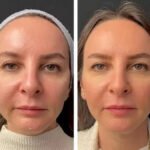
Healthy-looking skin does not always mean perfect skin. Over time, sun exposure, aging, acne, pigmentation, and everyday stress can change the way your skin looks and feels. You may notice uneven tone, rough texture, enlarged pores, fine lines, or areas of redness.
Fortunately, modern aesthetic treatments can help improve these concerns without always requiring surgery. Two options that people often explore are laser resurfacing and intense pulsed light face treatment.
Although both use light energy, they work in different ways. Therefore, understanding the difference can help you choose an option that matches your skin concerns and goals.
At ID COSMETIC CLINIC, treatments are selected based on your skin condition, skin type, treatment goals, and the level of improvement you want to achieve.
What Is Laser Resurfacing?
Laser resurfacing uses controlled laser energy to improve the appearance and texture of the skin. Depending on the technology and settings, the treatment can target the surface layers of the skin or work deeper to encourage collagen remodeling.
Laser resurfacing may help address concerns such as sun damage, pigmentation, large pores, uneven skin texture, fine lines, and other visible signs of skin aging.
The treatment works by treating damaged skin layers in a controlled way. As the skin heals, it can regenerate and produce new collagen.
Consequently, the skin may gradually look smoother, clearer, and more refreshed.
However, laser resurfacing is not the same for everyone. The intensity, treatment depth, and expected recovery can vary depending on the procedure and your individual skin.
What Is an Intense Pulsed Light Face Treatment?
An intense pulsed light face treatment, often called an IPL photofacial, uses broad-spectrum light rather than a single laser wavelength.
The light can target pigment and vascular concerns within the skin. As a result, IPL can help improve the appearance of sunspots, mild pigmentation, redness, uneven skin tone, and some visible blood vessels. It can also support collagen production and overall skin rejuvenation.
One important point is that IPL is not a laser. It uses a broader range of wavelengths, which allows it to address several superficial concerns during the same treatment.
At ID COSMETIC CLINIC, different IPL technologies can be used depending on the patient’s skin type and treatment goals.
Laser Resurfacing vs. Intense Pulsed Light Face Treatment
Although laser resurfacing and intense pulsed light face treatment both use energy to improve the skin, they are not interchangeable.
Laser resurfacing can work more directly on skin texture and damaged surface layers. Depending on the treatment, it can help address concerns such as uneven texture, large pores, pigmentation, and signs of skin aging.
IPL, on the other hand, uses broad-spectrum light and works particularly well for concerns involving pigment and redness.
In simple terms:
- Laser resurfacing: focuses more strongly on skin renewal and texture
- IPL: targets pigment, redness, and overall skin tone
- Laser: uses specific wavelengths
- IPL: uses a broad spectrum of light
- Both: can support collagen production
- Both: can contribute to overall skin rejuvenation
Therefore, the best option depends on what you actually want to improve.
What Can Laser Resurfacing Help With?
People often consider laser resurfacing when they want to improve several visible signs of skin damage.
Depending on the treatment, it may help improve the appearance of:
- Uneven skin texture
- Large pores
- Sun damage
- Pigmentation
- Fine lines
- Rough-looking skin
- Dull complexion
- Certain acne-related texture concerns
Because the treatment can be customized, your provider can adjust the approach according to your skin and the amount of downtime you are comfortable with.
What Can Intense Pulsed Light Face Treatment Help With?
An intense pulsed light face treatment can be useful when your main concerns involve pigmentation, redness, or uneven complexion.
For example, IPL may help improve the appearance of:
- Sunspots
- Freckles
- Mild pigmentation
- Uneven skin tone
- Facial redness
- Visible small blood vessels
- Dull-looking skin
- Enlarged pores
The treatment can also be useful for people who want a refreshed appearance without significant downtime.
What Happens During Laser Resurfacing?
Before laser resurfacing, your provider assesses your skin and discusses your concerns.
Depending on the treatment, the skin is prepared before the laser is applied. Controlled laser energy is then used to treat the targeted areas and stimulate skin renewal.
Afterward, you may experience redness and peeling while the skin heals. Your provider can provide a specific skincare routine and instructions for protecting the treated area.
Because the treatment actively renews the skin, proper aftercare matters.
What Happens During an Intense Pulsed Light Face Treatment?
An intense pulsed light face treatment generally begins with a skin assessment.
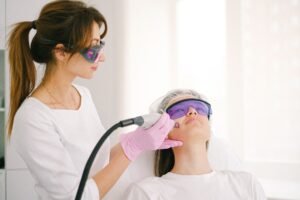
Your provider determines which wavelengths and settings are appropriate for your skin and concerns. During treatment, controlled pulses of broad-spectrum light are delivered to the skin.
You may feel a brief snapping or warming sensation during the procedure. The treatment is non-invasive, and many patients can return to their normal activities shortly afterward.
You may notice mild redness or warmth afterward, which usually settles relatively quickly.
Which Treatment Is Better for Your Skin?
There is no universal answer.
If your main concern is rough texture, damaged surface skin, large pores, or more significant skin renewal, laser resurfacing may be worth discussing.
On the other hand, if you mainly want to improve mild pigmentation, redness, sun damage, or uneven tone, an intense pulsed light face treatment may be a suitable option.
Sometimes, a combination of treatments may also make sense. However, your provider should determine whether combining treatments is appropriate for your skin.
Most importantly, do not choose a treatment simply because it sounds stronger or newer. The right treatment is the one that matches your skin condition.
Is Laser Resurfacing Suitable for Different Skin Types?
Skin type plays an important role when choosing an energy-based treatment.
Darker skin can have a higher risk of post-inflammatory hyperpigmentation after certain procedures. Therefore, treatment settings need careful consideration.
A professional assessment can help determine the appropriate treatment intensity and approach for your skin.
Your provider should consider your skin tone, previous treatments, current skincare routine, sun exposure, and any existing skin conditions.
Is IPL Suitable for Everyone?
IPL can be an effective option for many people, but it is not suitable for every skin concern.
For example, IPL can work well for certain pigmentation concerns, mild redness, dull complexion, and uneven skin tone. However, conditions such as melasma and active inflammatory skin concerns may require a different approach or additional caution.
Furthermore, recent sun exposure can affect whether treatment should go ahead.
That is why a proper consultation should come before an intense pulsed light face treatment.
Why Choose ID COSMETIC CLINIC?
If you are considering laser resurfacing or an intense pulsed light face treatment, personalized treatment matters.
At ID COSMETIC CLINIC, patients can explore several laser and light-based treatment options based on their individual skin concerns and goals.
The clinic is located in Markham and serves patients from Toronto and surrounding GTA communities. The treatment approach focuses on selecting appropriate technology and settings based on individual skin characteristics.
This variety allows the treatment team to consider different skin concerns rather than relying on one treatment for every patient.
Which Skin Treatment Should You Choose?
Choosing between laser resurfacing and an intense pulsed light face treatment starts with understanding your main concern.
If you want to improve skin texture, sun damage, pores, or overall skin renewal, laser resurfacing may be an option to discuss.
If your priority is mild pigmentation, redness, uneven tone, or a brighter-looking complexion, IPL may be more appropriate.
Ultimately, your skin is unique. Therefore, a professional assessment can help you understand which technology fits your needs, how many sessions you may require, what downtime to expect, and what results are realistic.
At ID COSMETIC CLINIC, the goal is to create a treatment plan that works with your individual skin rather than applying the same approach to everyone. With the right technology, careful treatment settings, and proper aftercare, you can work toward smoother, clearer, and more even-looking skin.