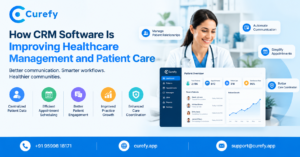
Healthcare organizations manage much more than consultations and medical records. They coordinate appointments, patient communication, treatment plans, billing, follow-ups, referrals, and administrative workflows every day. As these responsibilities grow, digital systems can help healthcare teams stay organized without losing sight of patient needs.
The best crm software for healthcare management should support both operational efficiency and meaningful patient relationships. It can bring important information into a structured environment, improve communication between teams, and help providers manage the patient journey more consistently.
For hospitals, clinics, and medical professionals, the value of healthcare CRM technology is not simply about replacing manual processes. It is about creating a connected approach to care where administrative coordination supports medical expertise, treatment quality, and a better overall patient experience.
The Role of CRM in Modern Healthcare
Connecting Patient Information and Daily Workflows
Healthcare teams frequently operate across numerous departments and responsibilities. Patient questions can start with reception, go to a doctor or specialist and then involve billing, diagnostics, pharmacy or follow-up teams.
A healthcare CRM can help structure these interactions in a digital workflow. Staff can handle patient details, appointments, communication records and follow-up activities more efficiently. This reduces the need to rely on scattered notes, spreadsheets or disparate communication channels.
A well-organized workflow also helps teams understand what needs attention at different stages of the patient journey.
Supporting Better Patient Communication
Communication plays an important role in healthcare. Patients may need appointment confirmations, treatment updates, reminders, documentation requests, or information about hospital services.
Healthcare organisations can use CRM technology to offer a more systematic way to deal with these communications. Instead of doing manual follow-ups entirely, teams can plan communication activities and maintain proper records.
Patients may see this as a more coordinated interaction. Open communication can help reduce confusion about appointments, treatment schedules and next steps, while allowing clinical professionals to focus on medical care.
Improving Coordination Across Healthcare Services
Modern healthcare frequently involves multiple services and professionals. A patient may require consultation, diagnostic testing, treatment planning, billing support, and post-treatment follow-up.
Administrative teams can use CRM systems to coordinate these activities via a centralised operational view. This is especially true for hospitals and larger clinics where several departments may be driving a patient’s experience.
The technology does not substitute for medical judgement. Instead, it can support the administrative structure around clinical decision making, helping teams keep processes organised while medical professionals focus on diagnosis and treatment.
Building a More Patient-Centered Healthcare Experience
Supporting International Patients
Medical tourism involves additional coordination because international patients may require assistance before they arrive at a healthcare facility. Their journey can involve initial inquiries, medical documentation, specialist communication, appointment scheduling, travel arrangements, and follow-up after treatment.
A connected CRM workflow can help healthcare organizations manage these stages more systematically. Patient communication can be organized, important information can be easier to track, and teams can coordinate activities across different stages of the journey.
For international patients, this type of organization can be especially valuable because they may already be navigating unfamiliar healthcare systems, travel requirements, and treatment decisions. Clear processes can help create a more structured experience without making assumptions about individual medical needs.
Strengthening Treatment and Follow-Up Coordination
Quality healthcare goes beyond the consultation room. Patients often need follow-up appointments, communication, additional investigations or ongoing monitoring after treatment.
CRM-powered workflows can help administrative teams identify pending follow-ups and keep communication schedules organized. This can support both routine care and complex treatment journeys involving multiple appointments or specialists.
Consistent follow-up practices can help maintain continuity in patient engagement for hospitals and clinics. Clinical decisions should remain with healthcare professionals, while CRM technology can support the administrative activities surrounding those decisions.
Creating Efficient Healthcare Operations
Healthcare organizations must balance patient care with the administrative tasks involved in running a facility. When employees spend significant time on routine coordination, less time may be available for meaningful patient interaction.
Digital automation can make it easier to handle administrative tasks such as appointment reminders, workflow notifications, patient communication and task management. The specific capabilities depend on the software being used and how the organization configures its processes.
Careful planning is needed when introducing these tools. Implementation should be based on actual needs rather than technology alone. Healthcare organizations should consider information security, ease of use, workflow compatibility, staff adoption and the specific needs of patients and healthcare services.
Conclusion
Effective healthcare management depends on strong coordination, clear communication, and patient-focused processes. CRM technology can support these areas by organizing workflows, strengthening engagement, and helping healthcare teams deliver a more connected experience.
Near the end of this process, Curefy App provides a white-label, HIPAA-compliant healthcare CRM and AI-powered practice management software designed for clinics, hospitals, and medical professionals. It streamlines patient management, automates workflows, supports telemedicine, improves patient engagement, and helps healthcare providers grow efficiently with secure, smart, and user-friendly digital healthcare solutions.