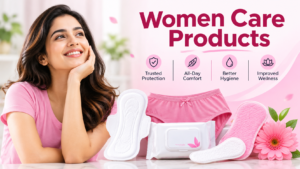
Women’s hygiene is an essential part of personal healthcare and everyday wellness. As awareness of menstrual health and personal hygiene continues to increase, consumers are becoming more selective about the products they use. They increasingly consider product quality, material selection, comfort, packaging, and safety information before making purchasing decisions.
This changing awareness has also increased expectations within the manufacturing industry. Businesses supplying sanitary pads, period panties, intimate wipes, and other hygiene solutions must work with manufacturers that prioritize consistent production standards. Quality-focused manufacturing is not only important for consumer satisfaction but also for building a reliable and sustainable brand.
Why Quality Standards Matter in Women’s Hygiene Manufacturing
Women’s hygiene products are designed for specific personal care requirements, and many are intended for regular use. Therefore, manufacturers must consider the suitability of raw materials, product construction, absorbency, and packaging throughout production.
Quality standards help establish consistent product specifications and reduce the possibility of manufacturing defects. They also provide businesses with greater confidence when sourcing products for retail, wholesale, and private-label distribution.
Important quality considerations include material selection, production hygiene, inspection procedures, packaging integrity, and appropriate product documentation.
Selecting Appropriate Raw Materials
Raw material selection is one of the earliest and most important stages of product manufacturing. The materials used in sanitary pads, period panties, and other hygiene products directly influence their construction and performance.
Manufacturers should evaluate materials according to their intended application. Important considerations include softness, absorbency, flexibility, durability, and suitability for skin contact.
For example, sanitary pads require suitable absorbent layers and a comfortable surface, while period panties need appropriate fabric construction and absorbent components.
Careful material selection supports product consistency and helps manufacturers meet different consumer preferences.
Maintaining Production Hygiene
Manufacturing hygiene is particularly important in the production of personal care and disposable hygiene products.
A well-managed production environment should include suitable cleaning procedures, organized material storage, equipment maintenance, and documented operational practices.
Manufacturers should also establish procedures for handling raw materials and finished products to minimize contamination risks.
Regular inspections and process monitoring help maintain suitable production conditions and support consistent manufacturing operations.
Product Testing and Quality Inspection
Quality inspection helps manufacturers evaluate whether finished products meet their established specifications.
Depending on the product category, inspections may consider:
-
Absorbency and liquid retention.
-
Product dimensions and construction.
-
Material quality and surface softness.
-
Adhesive performance where applicable.
-
Packaging condition and sealing.
-
Product appearance and consistency.
Testing procedures should be appropriate for the product and its intended application. Maintaining inspection records can also help businesses improve traceability and manage product quality.
Packaging and Product Information
Packaging is another important element of women’s hygiene product manufacturing. It helps protect products during storage, transportation, and distribution.
Well-designed packaging should be suitable for the product category and provide clear information about its intended use, materials or ingredients where relevant, storage, and usage instructions.
For businesses selling products under their own brands, packaging customization can also help establish brand identity and improve product presentation.
Manufacturers should ensure that packaging information is accurate and complies with applicable requirements.
The Role of Women Care Products Manufacturers in Business Growth
Retailers, wholesalers, distributors, and private-label companies depend on reliable manufacturing partners to maintain their product supply.
Experienced Women Care Products Manufacturers understand that business requirements extend beyond production. They must also consider order management, product specifications, packaging options, production capacity, and delivery coordination.
Before selecting a manufacturing partner, businesses should evaluate:
-
Production infrastructure and manufacturing capabilities.
-
Raw material sourcing and inspection procedures.
-
Documented quality management practices.
-
Product development and customization options.
-
OEM and private-label manufacturing support.
-
Bulk order handling and supply reliability.
-
Applicable regulatory requirements and certifications.
Choosing a suitable partner can help businesses maintain consistent product availability and develop stronger relationships with their customers.
Opportunities for Women Care Products Manufacturers in India
India’s women’s hygiene market offers opportunities for manufacturers, distributors, retailers, and emerging personal care brands. Greater awareness of menstrual hygiene and changing purchasing preferences have increased interest in different product categories.
As a result, Women Care Products Manufacturers in India have opportunities to serve a broad range of business requirements through domestic distribution, private-label manufacturing, and export-oriented operations.
However, market growth also brings greater responsibility. Manufacturers need to understand customer expectations, maintain appropriate production practices, and provide reliable product information.
Businesses entering this sector should look beyond pricing and consider manufacturing consistency, quality documentation, production capacity, and long-term partnership potential.
How NEL Lifecare Supports Women’s Hygiene Manufacturing Requirements
NEL Lifecare Products India Pvt. Ltd. operates in the healthcare, personal care, and hygiene manufacturing sector. Its women’s care portfolio includes sanitary pads, period panties, intimate wipes, sweat pads, and cramp relief patches.
The company also offers OEM manufacturing support for businesses interested in developing products under their own brand identities.
For retailers, wholesalers, distributors, and private-label businesses, exploring the Women Care Products range at NEL Lifecare can help identify relevant product categories and manufacturing solutions.
Conclusion
Quality standards are essential for building reliable women’s hygiene products and maintaining consumer confidence. From raw material selection and production hygiene to testing and packaging, every manufacturing stage contributes to the overall quality of finished products.
Businesses should carefully evaluate manufacturing capabilities and quality management practices before choosing a supplier. Working with dependable manufacturers can support product consistency, efficient sourcing, and long-term business development in the women’s hygiene industry.