The botanical ingredients industry depends on reliable sourcing, transparent product information, and consistent procurement practices. For businesses developing herbal supplements, nutraceuticals, and wellness formulations, choosing the right botanical ingredient is an important part of product planning.
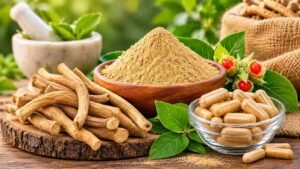
Ashwagandha Extract has become a widely recognised ingredient in the herbal product market. Its commercial use makes it relevant to supplement brands, formulation companies, and businesses sourcing botanical raw materials in bulk.
However, purchasing an extract for commercial applications requires more than understanding its general benefits. Buyers need to evaluate technical specifications, sourcing practices, documentation, and supplier capabilities. This guide explains what B2B buyers should consider when sourcing Ashwagandha extract.
Understand the Role of Ashwagandha in Herbal Formulations
Ashwagandha, scientifically known as Withania somnifera, is a traditional botanical used in various herbal preparations. Its roots are commonly associated with Ayurvedic formulations and are used in different types of wellness products.
For commercial buyers, understanding the intended application is the first step towards selecting a suitable ingredient.
Before contacting Ashwagandha Extract Manufacturers, consider:
-
Whether the ingredient is intended for capsules, tablets, powders, or other formulations.
-
Which plant part is required.
-
What extract ratio or standardisation level is suitable.
-
Whether the ingredient must meet specific formulation requirements.
-
Which technical documents are needed for internal approval.
A clearly defined application helps businesses communicate their expectations and identify an appropriate product.
Select the Right Extract Specifications
Botanical extracts are not interchangeable simply because they come from the same plant. Differences in extraction methods, concentration, and standardisation can influence their composition and suitability.
When evaluating Ashwagandha Extract Manufacturers in India, buyers should request detailed product specifications rather than relying on general descriptions.
Important parameters to review include:
-
Plant part used
-
Extract ratio
-
Withanolide content, where standardised
-
Appearance and physical characteristics
-
Moisture content
-
Solubility requirements, where applicable
These specifications should match the intended application and the buyer’s quality requirements.
You can also review the Ashwagandha Extract product page to explore the available product information.
Look Beyond the Supplier’s Product Claims
A professional sourcing process involves verifying information instead of relying entirely on promotional descriptions. Buyers should ask suppliers how they establish product quality and what evidence they can provide.
Reliable Ashwagandha Extract Suppliers should be able to discuss their sourcing practices, manufacturing processes, and quality-related documentation.
During supplier evaluation, ask:
-
How is incoming botanical material assessed?
-
What production stages are monitored?
-
How are finished batches identified?
-
Which analytical parameters are tested?
-
Can the supplier provide batch-specific documentation?
These questions help procurement teams understand the supplier’s approach to product management.
Avoid accepting unsupported claims about purity, effectiveness, or quality. Request relevant evidence and review it before confirming a commercial order.
Make Quality Documentation Part of Procurement
Documentation is essential for businesses that maintain formal ingredient approval and quality-assurance procedures.
Before purchasing, request documents relevant to the product and its intended use. These may include:
-
Certificate of Analysis (COA)
-
Product specification sheet
-
Technical Data Sheet
-
Safety Data Sheet (SDS)
-
Applicable certification documents
The COA is particularly useful because it provides analytical information about a specific batch. Buyers should check the reported values, testing parameters, and batch identification details.
Businesses comparing Ashwagandha Extract Suppliers in India should also clarify whether the supplier can provide updated documents for subsequent orders.
Maintaining accurate procurement records makes supplier evaluation and internal quality reviews more organised.
Evaluate Bulk Supply and Commercial Flexibility
Commercial requirements can vary considerably between small formulation companies and established supplement manufacturers. Some buyers need occasional orders, while others require regular deliveries throughout the year.
When comparing Ashwagandha Extract Dealers and Ashwagandha Extract Wholesalers, assess whether their supply arrangements match your purchasing schedule.
Discuss these commercial points before placing an order:
-
Minimum order quantity
-
Bulk pricing and payment terms
-
Available packaging formats
-
Dispatch and delivery timelines
-
Repeat-order arrangements
-
Procedures for addressing product-related concerns
Also confirm whether you are purchasing directly from the manufacturer or through a distribution channel. Knowing the original source helps maintain transparency throughout the supply chain.
Consider Market Requirements Before Exporting
Businesses sourcing botanical ingredients for international markets may face additional requirements related to product documentation, labelling, transportation, and import regulations.
Companies evaluating Ashwagandha Extract Exporters should communicate their destination-market requirements early in the purchasing process.
A useful supplier assessment should cover:
-
Export documentation availability
-
Product specifications and batch records
-
Packaging suitability for international transportation
-
Shipping arrangements
-
Applicable destination-market requirements
When comparing Ashwagandha Extract Exporters in India, verify their ability to support the specific requirements of your intended market instead of assuming that all suppliers offer identical export services.
Why Consider Durjaya Herbals for Your Sourcing Requirements?
Selecting a botanical ingredient supplier requires a clear understanding of product information and commercial expectations. Durjaya Herbals operates in the botanical ingredients sector and provides businesses with an opportunity to discuss their herbal ingredient sourcing needs.
Buyers interested in Ashwagandha Extract can review the available product information and communicate their intended application, quantity, and technical specifications.
A direct discussion about procurement requirements can help businesses assess whether the available offering matches their expectations.
Frequently Asked Questions
What should B2B buyers consider when purchasing Ashwagandha Extract?
Buyers should evaluate extract specifications, plant part, sourcing practices, analytical testing, documentation, packaging, and supplier reliability.
Why do Ashwagandha extracts have different specifications?
Specifications can differ because of variations in plant material, extraction methods, concentration, and standardisation requirements.
What is the importance of a batch-specific COA?
A batch-specific COA provides analytical results associated with a particular production batch, helping buyers verify whether it meets their purchasing specifications.
How can businesses find reliable Ashwagandha Extract Wholesalers?
Businesses should check the original manufacturing source, product documentation, pricing structure, supply arrangements, and communication practices before selecting a wholesaler.
Conclusion
Successful botanical ingredient sourcing depends on informed product selection and careful supplier evaluation. Businesses should understand extract specifications, verify documentation, assess commercial terms, and review supply capabilities before choosing Ashwagandha Extract Manufacturers.
A structured procurement approach helps B2B buyers make practical sourcing decisions and establish supplier relationships that support their ongoing manufacturing requirements