In this guest post, we will learn about ways in which periodontists detect early bone loss, the symptoms, and treatment.
Good dental health is not just about having enamel and good brushing habits. Good support structures in our mouth are equally important for maintaining healthy teeth. The gum, periodontal ligaments, and jawbone are the supporting structures of the teeth that hold them firmly. If the bone starts losing its strength, the teeth become unstable. Bone loss doesn’t always lead to any kind of pain or discomfort at an early stage.
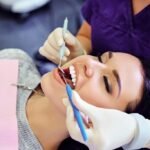
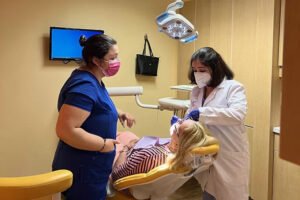
A Periodontist in Woodbridge VA is a specialist who deals with prevention, diagnosis, and treatment of conditions involving the gums and other tooth support tissues. Using techniques such as dental examinations, X-rays, and evaluation, periodontists can detect early indications of bone loss and offer appropriate treatment to prevent further complications.
Knowing What Triggers Bone Loss Around the Teeth
Jawbone acts as a foundation for natural teeth, making it possible for them to stay in place and bear the load from the forces generated by chewing.
The most widespread reason why people suffer from bone loss around their teeth is periodontal disease. This disease starts with the accumulation of bacteria around the gum line, which leads to inflammation. In case it is left untreated, it will slowly start damaging the supporting structures of the teeth.
Additional triggers of bone loss can be:
- Poor oral hygiene and presence of plaque.
- Smoking and using tobacco products.
- Uncontrolled diabetes.
- Some medical disorders.
- Being genetically prone to having gum disease.
- Chronic gum inflammation.
Recognizing the risk factors makes it easier for the dental practitioner to understand who needs special attention.
When Oral Surgery Is Recommended
Not all patients who have early-stage bone loss need oral surgery because many can have nonsurgical periodontal procedures done for the management of infections and inflammation.
But advanced cases will need additional procedures to deal with the damage.
Oral Surgery Woodbridge VA can be recommended if the periodontal disease has caused significant damage to the gums or the structures that provide support.
These are some possible procedures to be done:
- Flap surgery – This procedure involves lifting the gum tissue so deeper cleaning can be done on the affected area.
- Bone grafting – This involves the use of grafts to stimulate bone regeneration when needed.
- Guided tissue regeneration – Materials can be used to promote regeneration of the supporting tissues.
- Soft tissue grafting – Tissues can be transferred to the areas of the gum that have undergone recession.
Diagnosing Early Symptoms of Bone Loss by a Periodontist
There are different ways that a Periodontist uses for diagnosis of gums and possible bone changes in the patient.
- Checking Gum Pockets
In order to assess the state of gums, during the periodontal exam the pockets between the teeth and gums are measured. The pockets in which the teeth are set are called periodontal pockets.
Usually, healthy gums sit close to the teeth. With the development of inflammation and destruction, the pockets get deeper.
To measure the depth of the periodontal pockets, a special device called a periodontal probe is used.
- Examining Bone Levels using Dental X-rays
X-rays in dentistry provide a way of examining parts that cannot be examined by a visual examination.
This provides information on any alteration in the height and shape of the bones found around tooth roots. Comparing new images with older dental images will help detect any gradual deterioration of the bones.
According to a person’s condition, the dentist or periodontist may opt for:
- Bitewing X-rays to examine the bone level between the teeth.
- Periapical X-rays to examine the teeth individually and surrounding structures.
- Advanced X-ray techniques when more detail is required.
Timely diagnosis using proper imaging aids professionals in making wise treatment decisions.
- Gum Recession Detection
Gum recession happens as a result of gum tissue gradually moving from the tooth surface, thereby exposing more of the tooth root.
While gum recession may not necessarily indicate that there is bone loss involved, it can be a good indicator that needs investigating.
The dentist checks if the roots being exposed are due to the existence of periodontal pockets, inflammation, or alteration of the supporting bone structure.
Indicators may include:
- Tooth surfaces look longer compared to before.
- Sensitivity to hot and cold food items.
- The exposure of tooth roots.
- Alterations in the gum line.
- The appearance of spaces between teeth.
These symptoms must not be neglected, particularly if they are accompanied by bleeding or swollen gums.
Is Wisdom Teeth Removal Associated with Bone Health?
The wisdom teeth are the last set of molars, and there may be some complications with their eruption if there is not enough space.
Impacted or partially impacted wisdom teeth can cause difficulty with cleaning and may cause gum irritation, infection, and damage to adjacent teeth.
But in some cases, Wisdom Teeth Extraction Woodbridge VA could be advised to either prevent these problems or solve the existing complications.
But wisdom teeth removal is not considered a procedure that would treat the periodontal bone loss from other teeth. It depends on the assessment of the dental specialist.
FAQs
- What are the early signs of bone loss around teeth?
They include receding gums, bleeding gums, deep periodontal pockets, and change in tooth stability.
- Can a periodontist recognize bone loss before its appearance?
A periodontist can diagnose bone changes with the help of gum exams and dental X-rays.
- Is bone loss around teeth reversible?
The loss of bone does not necessarily regrow on its own, but there are ways to help regenerate it.
- Can periodontal disease result in bone damage?
Yes, an uncontrolled case of periodontal disease can cause destruction of bone tissue that supports the teeth.