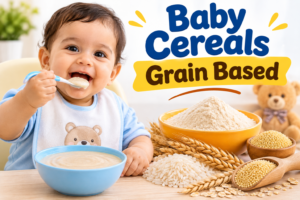
Introducing solid foods is an important milestone in every baby’s development. During the early months of life, babies receive essential nutrients from breast milk or infant formula. As they grow, their nutritional requirements gradually change, and parents begin exploring suitable complementary foods. Baby Cereals Grain Based products are a popular choice because they offer a convenient way to introduce grains into a baby’s diet. These cereals can provide energy, carbohydrates, fibre, vitamins, and minerals that support healthy growth and development.
Choosing the right first foods is important for parents who want to establish healthy eating habits from an early age. Grain-based cereals are available in different varieties, textures, and flavours, making it easier to introduce new tastes according to a baby’s developmental stage.
What Are Grain-Based Baby Cereals?
Baby Cereals Grain Based are specially prepared food products made using grains such as rice, wheat, oats, barley, and millets. They are designed to provide babies with complementary nutrition when they are developmentally ready for solid foods, generally around six months of age.
These cereals are often available in powdered or instant forms. Parents can prepare them by following the instructions on the packaging. Depending on the product, they may contain added iron, calcium, vitamins, and other essential nutrients.
Grain-based cereals can be a convenient addition to a balanced complementary feeding routine. However, they should not replace breast milk or infant formula during the first year.
Why Are Grain-Based Cereals Important for Babies?
During infancy, babies experience rapid physical and cognitive development. Their bodies need sufficient energy and nutrients to support these changes. Including different nutritious foods in their diet helps meet their growing requirements.
Here are some important benefits of introducing suitable grain-based cereals.
1. Provides Energy for Daily Activities
Grains are a natural source of carbohydrates, which provide energy to the body. As babies become more active, they need appropriate complementary foods to support their daily movements, learning, and development.
Rice, oats, wheat, and other grains can contribute to a balanced diet by providing energy along with other nutrients.
2. Supports Digestive Health
Some grains contain dietary fibre, which supports normal digestive function. Oats and whole-grain varieties can contribute fibre to a baby’s diet when introduced in an age-appropriate texture.
Parents should introduce new foods gradually and observe how their baby responds. Offering different fruits, vegetables, and grains can help develop a varied eating pattern.
3. Helps Provide Essential Nutrients
Fortified cereals may contain nutrients such as iron, zinc, calcium, and B vitamins. Iron is particularly important during infancy because babies’ iron requirements increase as they grow.
Choosing iron-fortified options can help complement other iron-rich foods, including lentils, beans, meat, and appropriately prepared eggs.
4. Encourages Different Food Experiences
Babies gradually become familiar with different flavours, textures, and food combinations. Grain-based cereals offer an opportunity to introduce new tastes in a smooth and manageable consistency.
Over time, parents can gradually move towards thicker textures and soft, mashed family foods as the baby develops appropriate eating skills.
Different Types of Grain-Based Baby Cereals
There are several grain varieties available in the market. Each grain offers a different nutritional profile and taste.
Rice-Based Baby Cereal
Rice cereal is commonly used as one of the first grain foods because it has a mild flavour and can be prepared into a smooth texture. It is easy to combine with other suitable foods.
However, parents should avoid relying exclusively on rice-based products. Offering a variety of grains helps provide a broader nutritional profile. Rice products should also be selected with attention to age-appropriate guidance about arsenic exposure.
Oats-Based Baby Cereal
Oats are a nutritious grain containing carbohydrates, fibre, and other beneficial nutrients. Oat-based cereals can be included in a baby’s complementary diet when prepared to a suitable consistency.
They can also be combined with mashed banana or cooked apple to introduce natural flavours without adding sugar.
Wheat-Based Baby Cereal
Wheat-based cereals provide carbohydrates and other nutrients. They can introduce babies to different grain flavours and textures.
Since wheat contains gluten, parents should introduce it in an age-appropriate manner and watch for possible allergic reactions or digestive symptoms.
Multigrain Baby Cereal
Multigrain cereals combine two or more grains, such as rice, oats, wheat, and millets. These combinations offer variety in taste and nutritional composition.
When choosing multigrain products, parents should check the ingredients carefully and select options without unnecessary added sugar or salt.
Millet-Based Baby Cereal
Millets are traditional grains that provide carbohydrates, fibre, and minerals. Varieties such as ragi and other millets are used in complementary foods in many Indian households.
Ragi is particularly known for its calcium content. Proper preparation and a smooth texture are important when serving millet-based foods to babies.
When Should Parents Introduce Baby Cereals?
Most babies are ready to begin complementary feeding at around six months of age. However, readiness depends on their developmental abilities rather than age alone.
Some common signs of readiness include:
-
The baby can hold their head steady.
-
The baby can sit upright with support.
-
The baby shows interest in food.
-
The baby can swallow food instead of consistently pushing it out with the tongue.
-
The baby can coordinate their eyes, hands, and mouth to explore food.
Parents should consult a paediatrician if they are unsure whether their baby is ready for solid foods.
Breast milk or infant formula should continue to remain an important source of nutrition throughout the first year.
How to Choose the Right Grain-Based Baby Cereal
Selecting an appropriate cereal requires attention to ingredients, nutritional value, quality, and preparation instructions.
Here are some practical factors parents should consider.
Check the Ingredients
Always read the ingredient list before purchasing a cereal. Look for clearly mentioned grains and avoid products containing unnecessary artificial flavours, excessive sugar, or added salt.
Simple ingredient lists can make it easier to understand what your baby is eating.
Look for Iron Fortification
Iron plays an important role in healthy growth and brain development. Since babies need sufficient iron during complementary feeding, parents can consider iron-fortified cereals as one option.
However, cereals should be part of a varied diet rather than the only source of iron.
Consider Age Appropriateness
Different products are designed for different developmental stages. Always check the recommended age mentioned on the packaging.
Choose cereals with a texture suitable for your baby’s current feeding abilities.
Check Product Quality and Packaging
Select products from reliable manufacturers that follow appropriate food safety standards. Check the manufacturing date, expiry date, storage instructions, and packaging condition before purchasing.
Proper storage after opening is equally important to maintain product quality.
How to Prepare Baby Cereals at Home
Preparing Baby Cereals Grain Based products is generally simple when parents follow the manufacturer’s instructions.
Here are some basic steps:
-
Wash your hands properly before preparing the food.
-
Clean and dry the bowl and spoon.
-
Measure the recommended quantity of cereal.
-
Prepare it using the liquid and method specified on the packaging.
-
Mix thoroughly to achieve a smooth, age-appropriate consistency.
-
Allow the food to reach a safe serving temperature.
-
Feed the baby using a clean spoon.
Always prepare fresh portions and discard leftover food that has come into contact with the baby’s spoon or saliva.
Do not add honey to foods for babies under 12 months. Avoid adding sugar or salt to complementary foods.
Healthy Ways to Serve Grain-Based Cereals
One advantage of grain-based cereals is that they can be combined with other nutritious foods to create different flavours.
Parents can consider the following combinations, depending on the baby’s age and feeding readiness.
Cereal with Mashed Banana
Mashed banana can add natural sweetness and a soft texture to prepared cereal. It also introduces babies to the flavour of fruit.
Cereal with Cooked Apple
Soft, thoroughly cooked and mashed apple can be combined with cereal for a mild and naturally sweet meal.
Cereal with Vegetable Puree
Suitable vegetable purees, such as cooked carrot or pumpkin, can add colour, flavour, and variety to cereal-based meals.
Cereal with Other Nutritious Foods
As babies develop their feeding skills, parents can gradually introduce different food groups, including pulses, vegetables, fruits, dairy foods where appropriate, and other protein-rich options.
Introduce common allergens in safe, age-appropriate forms and seek medical guidance if the baby has severe eczema, an existing food allergy, or other allergy-related concerns.
Common Mistakes Parents Should Avoid
Although cereals are convenient, parents should avoid a few common feeding mistakes.
1. Introducing Solid Foods Too Early
Starting complementary foods before a baby is developmentally ready may create feeding difficulties. Around six months is generally the recommended starting point.
2. Depending Only on One Grain
Offering only rice or one type of cereal can limit food variety. Introduce different suitable grains and food groups.
3. Adding Extra Sugar
Babies do not need added sugar in their everyday meals. Natural flavours from fruits and vegetables are better options.
4. Ignoring Food Allergies
Introduce new foods carefully and watch for reactions such as rashes, vomiting, swelling, or breathing difficulties. Seek immediate medical attention for breathing problems or signs of a severe allergic reaction.
5. Forcing Babies to Finish Meals
Every baby has different appetite levels. Parents should respond to hunger and fullness signals instead of forcing a baby to finish a particular quantity.
Why Parents Should Choose Quality Baby Food Products
Food quality matters when selecting complementary foods for infants. Parents should look for products that provide clear ingredient information, appropriate nutritional composition, hygienic packaging, and easy preparation.
Reliable baby food products can make everyday feeding more convenient, particularly for busy families. However, packaged cereals should complement homemade foods and other nutritious options rather than replace a varied diet.
Kidscity is a name parents can explore when looking for baby and child nutrition products. Comparing ingredients, nutritional information, product suitability, and preparation guidelines can help families make informed purchasing decisions.
Conclusion
Introducing grains into a baby’s diet is an important step towards developing healthy eating habits. Baby Cereals Grain Based products offer a convenient way to provide different grain varieties, energy, and essential nutrients during complementary feeding. From rice and oats to wheat and millets, parents have several options to explore according to their baby’s developmental needs.
The best approach is to focus on food variety, age-appropriate textures, balanced nutrition, and safe preparation. By selecting quality products and gradually introducing different nutritious foods, parents can make mealtimes enjoyable and support their baby’s healthy growth. Kidscity can be explored by parents comparing suitable baby food options for their growing little ones.