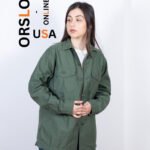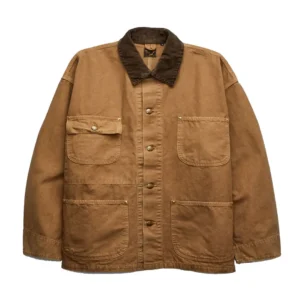
A good everyday wardrobe does not need dozens of pieces. A few dependable garments can create many outfits when they share the same relaxed style, useful details, and easy colors. This idea has strong roots in classic workwear, where clothing was made for regular use and simple daily tasks. Today, many people in the USA are bringing that practical approach into casual dressing. orSlow fits naturally into this way of dressing through denim, fatigue trousers, jackets, shirts, and other pieces inspired by older work and military clothing. An everyday uniform built around orSlow Clothing can feel relaxed without looking careless, while orSlow Denim In US collections give denim fans a way to add Japanese-inspired jeans to a daily wardrobe. The goal is not to wear the same outfit every day. It is to create a small group of garments that work together and make daily dressing simple.
What Makes an orSlow Everyday Uniform Work?
An everyday uniform starts with pieces that can be worn in several ways. Instead of buying clothing for one specific outfit, look for jeans, trousers, shirts, jackets, and outer layers that can work across different combinations. orSlow takes inspiration from military clothing, work uniforms, vintage denim, and traditional garments, giving each item a familiar look that fits modern casual wear.
The appeal of orSlow Clothing comes from its relaxed approach to everyday dressing. A pair of jeans can work with a plain T-shirt, Oxford shirt, sweatshirt, or lightweight jacket. Fatigue trousers can move from a casual weekend outfit to a simple workwear-inspired look. A denim jacket or coverall can then add another layer when the weather changes.
This type of wardrobe also works well because the colors are easy to combine. Indigo, navy, olive, khaki, white, gray, black, and natural tones can sit together without much effort. You can change one piece while keeping the rest of the outfit familiar.
Start With a Small Set of Reliable Pieces
A useful starting point can include one pair of straight-leg jeans, one pair of fatigue trousers, two or three simple shirts, a sweatshirt, and one workwear jacket. From there, you can add pieces based on your lifestyle and local weather.
The idea behind orSlow Fatigue Pants works especially well for this setup. Their military-inspired shape can add character to a simple outfit while still pairing easily with everyday footwear and tops. Wear them with canvas sneakers in warmer months or boots when the temperature drops.
Build the Foundation With Japanese Denim
Denim often becomes the center of an everyday wardrobe because it works with almost every casual layer. A good pair can be worn with T-shirts, flannels, knitwear, overshirts, and jackets. orSlow Denim In US shoppers can look at different fits and washes to find a pair that suits their preferred shape and daily routine.
orSlow Denim In US collections are also useful for people who want denim influenced by traditional workwear. Different cuts can create very different outfits even when the rest of the clothing stays the same. A straighter leg can give an outfit a classic workwear feel, while a roomier fit can create a more relaxed shape.
When choosing orSlow jeans, think about how you normally dress instead of focusing only on the jeans themselves. If you often wear tucked shirts and shorter jackets, a classic straight fit may fit naturally into your wardrobe. If you prefer oversized shirts and loose outerwear, a wider silhouette may feel more comfortable.
Pair Denim With Simple Tops
A plain T-shirt is one of the easiest partners for orSlow Denim In US styles. White, gray, navy, and black shirts can create a clean base without competing with the texture of the denim. In cooler weather, add a sweatshirt or wool sweater and finish the outfit with a jacket.
An Oxford shirt can make the same jeans feel slightly more polished. A flannel shirt gives the outfit a traditional outdoor and workwear direction. The strength of this approach comes from keeping the pieces simple and allowing the denim to remain part of the overall outfit rather than making it the only focus.
Add orSlow Fatigue Pants for a Workwear-Inspired Rotation
Jeans do not need to carry the entire wardrobe. orSlow Fatigue Pants give you another trouser option while keeping the workwear theme consistent. Their military-inspired design can bring a different color and silhouette into your weekly rotation.
Olive fatigue trousers work especially well with white T-shirts, gray sweatshirts, navy overshirts, and denim jackets. Khaki trousers can be paired with darker tops for contrast. Black trousers can create a cleaner streetwear direction while keeping the practical shape associated with work clothing.
The value of orSlow Fatigue Pants in an everyday uniform is their ability to replace jeans without changing the rest of your wardrobe. You can wear the same sneakers, shirt, and jacket with fatigue trousers and create a noticeably different outfit.
Balance Loose and Straight Shapes
Workwear can sometimes involve roomy silhouettes, so balance helps. If your trousers are wide, try a regular or slightly shorter jacket. If your jacket is oversized, a straight or relaxed trouser can keep the outfit from looking too heavy.
This is also where footwear matters. Canvas sneakers, leather shoes, moccasins, and work boots can all change the mood of the same orSlow Clothing combination. You do not need a large shoe collection. Two or three pairs that match your daily clothing can cover many situations.
Layer Jackets and Coveralls Through the Seasons
Outerwear gives an everyday uniform more flexibility. A workwear jacket can be worn over a T-shirt in spring, while a heavier layer can be added over a sweatshirt during colder months. orSlow Clothing includes several styles influenced by classic work garments, so jackets and coveralls can fit naturally into a casual wardrobe.
A denim jacket creates a familiar texture and can work with fatigue trousers, chinos, or different shades of denim. A coverall gives the outfit a stronger workwear character and can be worn over a simple shirt or knit layer. Field-style jackets can add extra pockets and a practical shape without requiring a complicated outfit.
For shoppers looking at orSlow Denim In US options, denim outerwear can also connect jeans and jackets into one wardrobe system. Try combining different shades instead of matching them exactly. Dark denim jeans with a lighter denim jacket can create contrast, while olive trousers with a blue denim jacket offer another easy combination.
Dress for Weather, Not Just Appearance
A useful uniform should work with real weather. In warmer areas of the USA, lightweight shirts, T-shirts, fatigue trousers, and unlined jackets may be enough for much of the year. In colder regions, denim, wool, sweatshirts, thermal layers, and heavier outerwear can be added without changing the overall style.
This approach keeps your wardrobe connected across seasons. The base pieces stay familiar while layers change as temperatures shift.
Create a Color System That Makes Outfits Easy
Color choice can make a small wardrobe feel much larger. orSlow pieces often work well with muted colors because denim, olive, navy, khaki, gray, black, and off-white can be mixed in many combinations.
Start with two or three main colors and then add supporting shades. Indigo denim can become the base color, while olive and khaki provide contrast. White and gray can fill the role of simple neutral tops. Navy can connect shirts and outerwear with denim without creating a matching look.
orSlow Clothing works well with this approach because many workwear-inspired garments already use familiar colors. You can build several outfits without needing bright colors or complicated patterns.
A simple color system also makes shopping more controlled. Before buying a new piece, ask whether it works with at least three things you already own. If the answer is yes, it has a better chance of becoming part of your regular rotation.
Style orSlow for Different Everyday Settings
An everyday uniform should adapt to your actual life. For a casual office, pair straight denim with an Oxford shirt and a clean jacket. For weekends, switch the shirt for a T-shirt or sweatshirt. For outdoor activities, orSlow Fatigue Pants can be paired with a work shirt, overshirt, and practical footwear.
The same wardrobe can also support travel. A pair of orSlow Denim In US styles can work during a flight, while fatigue trousers provide another option for walking around a new city. A lightweight jacket can serve as an extra layer without taking up too much space.
For a simple weekend outfit, try orSlow Fatigue Pants, a white T-shirt, a denim jacket, and canvas sneakers. For a cooler day, replace the T-shirt with a sweatshirt and add a heavier jacket. These small changes can create different looks without adding many new garments.
Keep Accessories Simple
Accessories should support the clothing rather than dominate it. A canvas tote, leather belt, simple watch, baseball cap, or workwear-inspired bag can fit naturally with orSlow Clothing.
The same principle applies to color. Neutral accessories are easy to use with denim and military-inspired trousers. A small number of dependable accessories can also make repeated outfits feel less repetitive.
How to Shop for an orSlow Wardrobe in the USA
Building an orSlow wardrobe does not require buying a full collection at once. Start with the clothing category you wear most often. If jeans are part of your daily routine, begin with denim. If you prefer relaxed trousers, start with orSlow Fatigue Pants.
People shopping for orSlow Denim In US options should also pay attention to fit measurements rather than relying only on the size printed on a label. Compare waist, rise, thigh, leg opening, and inseam measurements with a pair of trousers you already own.
For orSlow Clothing, think about how each new garment fits with your current wardrobe. A jacket that works with jeans and fatigue trousers will have more daily use than one that only works with one pair of pants.
Over time, the wardrobe can grow around your real habits. Add heavier outerwear when winter requires it, lighter shirts for summer, or another denim cut when you want a different silhouette. This keeps shopping focused on actual needs.
Build a Timeless Wardrobe Without Chasing Trends
A personal uniform can make clothing feel less complicated. orSlow pieces inspired by vintage workwear and military clothing can sit comfortably alongside modern casual garments because the basic shapes are familiar.
The focus should stay on fit, comfort, color, and repeat wear. orSlow Clothing can form the base, while your existing sneakers, shirts, knitwear, and outerwear bring personal character. orSlow Denim In US choices can anchor the lower half of an outfit, while orSlow Fatigue Pants offer another everyday option.
FAQs About Building an orSlow Everyday Wardrobe
What should I buy first for an orSlow everyday wardrobe?
Start with the item you wear most often. For many people, that may be a pair of jeans or orSlow Fatigue Pants. Add simple shirts and one jacket that work with both.
How can I style orSlow jeans for everyday wear?
Pair orSlow Denim In US styles with plain T-shirts, Oxford shirts, sweatshirts, overshirts, or denim jackets. Change footwear and outer layers to create different outfits.
Are orSlow Fatigue Pants easy to wear with other clothes?
Yes. orSlow Fatigue Pants can be worn with T-shirts, sweatshirts, shirts, denim jackets, workwear jackets, and many casual shoes. Olive, khaki, and black are also easy colors to combine.
Can orSlow Clothing work outside traditional workwear outfits?
Yes. orSlow Clothing can fit casual offices, weekends, travel, everyday errands, and relaxed social settings. The final look depends on the shirt, footwear, outerwear, and accessories you choose.
How many pieces do I need for an everyday uniform?
You can start with a small group of dependable pieces: two pairs of trousers, several tops, one sweatshirt, one jacket, and two pairs of shoes. Add more items only when they fill a real gap in your wardrobe.