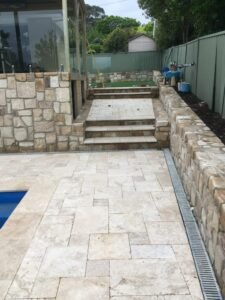
When a sloping block becomes difficult to use, retaining walls can turn wasted ground into a practical outdoor area. But good retaining walls landscaping is about much more than stacking materials to hold soil in place. The wall needs to suit the site, manage water properly, complement the surrounding landscape, and remain stable through changing weather conditions.
Whether you are improving a commercial property, rental, development site, or residential outdoor area, understanding the basics can help you make better decisions before work begins.
What Is Retaining Walls Landscaping?
Retaining walls landscaping combines structural wall construction with landscape design. The purpose is to control changes in ground level while making the available space more functional and attractive.
A well-planned retaining wall may be used to:
- Create level areas on a sloping block
- Reduce soil movement and erosion
- Define garden beds
- Improve access around a property
- Create usable outdoor spaces
- Support landscaping features such as paths, lawns, or planting areas
- Give an untidy slope a more organised appearance
The important point is that a retaining wall is not simply a decorative garden feature. Depending on its height, location, materials, and the amount of soil it retains, it can be a significant structural element.
Why Site Assessment Matters
One of the most common mistakes is choosing a wall material before understanding the site.
Experienced contractors normally look at factors such as soil conditions, slope, drainage, nearby structures, access for equipment, existing landscaping, and the amount of earth the wall will need to retain.
Water deserves particular attention. Poor drainage can create hydrostatic pressure behind a wall, increasing the load on the structure. A wall that looks perfectly sound when first completed can develop movement, cracking, leaning, or other problems if water is not managed correctly.
For that reason, drainage should be considered as part of the design rather than treated as an afterthought.
Choosing the Right Retaining Wall Material
There is no single material that works for every landscape.
Concrete blocks can provide a clean, structured appearance and are available in various finishes. They can work particularly well where a modern landscape design is required.
Timber retaining walls can create a warmer, more natural appearance and may suit gardens, pathways, and smaller landscaping projects. However, the appropriate timber and construction method need to be considered carefully, particularly where the material will remain in contact with soil and moisture.
Natural stone offers a distinctive appearance and can blend beautifully with established gardens. It can also be useful where the goal is to create a more organic transition between different levels.
Concrete or masonry systems may be appropriate where greater strength, longevity, or a specific architectural appearance is required.
The best choice depends on the site, budget, expected service life, appearance, and engineering requirements—not simply which material looks best in a catalogue.
A Practical Retaining Wall Landscaping Process
A successful project usually starts with planning rather than construction.
1. Assess the Site
First, determine what the wall needs to achieve. Measure the change in ground level, identify drainage patterns, and check surrounding structures and access.
2. Plan the Layout
Consider how people will use the finished area. A retaining wall might create a level lawn, garden, driveway edge, seating area, or pedestrian path.
3. Select Materials
Choose materials based on structural requirements as well as the existing character of the property. Colour, texture, maintenance requirements, and durability all matter.
4. Prepare the Ground
Proper excavation and foundation preparation are essential. The base needs to provide appropriate support and should be constructed according to the wall system and site conditions.
5. Install Drainage
Drainage measures help control water behind and around the wall. The exact solution depends on the site and construction method.
6. Build and Finish the Wall
Once the foundation and drainage provisions are in place, the wall can be constructed. The surrounding area can then be graded, planted, paved, or otherwise finished to create a cohesive landscape.
For more substantial walls, retaining-wall design and construction may need professional engineering and approval. Local requirements can vary, so it is sensible to check the applicable rules before construction begins.
Benefits Beyond Appearance
Good retaining walls landscaping can provide practical benefits that extend well beyond improving kerb appeal.
A carefully designed wall can make an uneven property easier to use and maintain. Instead of mowing or maintaining a steep slope, a property owner may be able to create several manageable levels.
Retaining walls can also help organise outdoor areas. A wall might separate a garden from a walkway, define a lawn, or create a clear transition between different parts of a commercial property.
From a maintenance perspective, thoughtful grading and drainage can also make it easier to control runoff and reduce problems caused by uncontrolled soil movement.
Common Mistakes to Avoid
Several problems repeatedly appear in poorly planned retaining-wall projects.
Ignoring drainage is one of the biggest. Water pressure can place considerable stress on a wall.
Building without considering the soil can also create trouble. Different soils behave differently when wet, compacted, or disturbed.
Another mistake is focusing entirely on appearance. A beautiful wall is of little value if its construction is unsuitable for the conditions it must handle.
Finally, avoid assuming that every retaining wall is a simple DIY landscaping job. Height, location, loads, soil conditions, and local regulations can all change the level of expertise required.
Frequently Asked Questions
How long should a retaining wall last?
Its lifespan depends on the material, construction quality, drainage, soil conditions, exposure, and maintenance. A properly designed and installed wall can provide many years of service.
Does every retaining wall require drainage?
Drainage requirements vary by design and site, but water management is an important consideration for most retaining-wall projects.
Can retaining walls improve a sloping garden?
Yes. They can divide a steep area into more manageable levels, creating space for lawns, planting, paths, or other outdoor uses.
Should I choose the wall material myself?
You can have preferences, but it is usually better to discuss the options with an experienced contractor first. The site’s structural and drainage requirements should influence the final decision.
Final Thoughts
Effective retaining walls landscaping brings together structural thinking and practical landscape design. The strongest results come from treating the wall as part of the entire outdoor environment—not as an isolated feature.
Before starting a project, assess the slope, soil, drainage, intended use, materials, and local requirements. If the wall is substantial or supporting significant loads, getting advice from a qualified professional can help prevent expensive problems later.
For property owners planning a new landscape or trying to make better use of uneven ground, a properly designed retaining-wall project can be a practical investment that improves both usability and appearance.