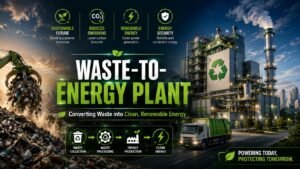
IMARC Group’s “Waste-to-Energy Plant Project Report 2026: Industry Trends, Plant Setup, Machinery, Raw Materials, Investment Opportunities, Cost and Revenue” report provides a comprehensive guide on how to successfully set up a waste-to-energy plant. The report offers clarifications on various aspects, such as unit operations, raw material requirements, utility supply, infrastructural needs, machinery models, labour necessities, transportation timelines, packaging costs, etc.
In addition to the operational aspects, the report also provides in-depth insights into waste-to-energy processes, project economics, encompassing vital aspects such as capital investments, waste-to-energy plant setup cost, project funding, operating expenses, income and expenditure projections, fixed and variable costs, direct and indirect expenses, expected ROI, net present value (NPV), profit and loss account, and thorough financial analysis, among other crucial metrics. With this comprehensive roadmap, entrepreneurs and stakeholders can make informed decisions and venture into a successful waste-to-energy business plan and power generation facility.
What is a Waste-to-Energy Plant?
A waste-to-energy plant is an industrial facility designed to convert various forms of waste into usable energy, such as electricity, heat, or fuel. These facilities primarily process municipal solid waste, agricultural residues, industrial waste, and other non-recyclable materials through technologies such as incineration, gasification, pyrolysis, anaerobic digestion, and refuse-derived fuel production. The energy generated can be supplied to power grids, industrial facilities, district heating systems, or other end users. Modern waste-to-energy plants integrate waste sorting, material recovery, energy conversion, emission control, and ash management systems to maximize resource utilization and minimize environmental impacts. By reducing the volume of waste sent to landfills while generating valuable energy, waste-to-energy facilities play an important role in supporting sustainable waste management and circular economy initiatives.
Market Trend and Drivers of Waste-to-Energy Plants:
The waste-to-energy market is primarily driven by increasing volumes of municipal and industrial waste, growing concerns regarding landfill capacity, stringent environmental regulations, and rising demand for renewable and alternative energy sources. Rapid urbanization and population growth are contributing to higher waste generation, creating a greater need for efficient waste management infrastructure. Additionally, government initiatives supporting renewable energy, carbon reduction, and sustainable waste disposal are encouraging investments in waste-to-energy projects. Technological advancements in thermal treatment, anaerobic digestion, gasification, and emission control systems are further improving plant efficiency and environmental performance. The growing emphasis on circular economy practices and energy recovery from non-recyclable waste is also creating significant opportunities for waste-to-energy plant development across global markets.
Request a Sample Report: https://www.imarcgroup.com/waste-to-energy-plant-project-report/requestsample
How to Setup a Waste-to-Energy Plant?
Setting up a waste-to-energy plant requires evaluating several key factors – from waste-to-energy plant cost and machinery requirements to operational efficiency and environmental compliance. Some of the major considerations include:
- Detailed Process Flow: The waste-to-energy process involves multiple stages, including waste collection and reception, sorting and segregation, pre-treatment, size reduction, energy conversion, energy recovery, emission treatment, ash or residue handling, quality monitoring, and power distribution. The specific process may vary depending on the technology used, such as incineration, gasification, pyrolysis, or anaerobic digestion.
- Site Selection: The plant location should provide easy access to consistent waste feedstock, transportation infrastructure, power grid connections, water and utility supplies, and waste disposal facilities while maintaining appropriate distance from sensitive residential areas and complying with environmental regulations.
- Plant Layout Optimization: An efficient layout is essential to streamline waste handling, reduce material transportation requirements, and ensure safe plant operations. Separate zones for waste reception, sorting, pre-treatment, energy conversion, power generation, emission control, ash handling, utility systems, and administrative operations should be planned properly.
- Equipment Selection: Selecting reliable and high-performance machinery is crucial. Equipment may include waste receiving systems, sorting and screening equipment, shredders, conveyors, boilers, furnaces, gasifiers, digesters, turbines, generators, heat recovery units, air pollution control systems, ash handling equipment, and monitoring systems.
- Raw Material Sourcing: Reliable sourcing of municipal solid waste, agricultural residues, industrial waste, or other suitable feedstock is necessary to maintain consistent energy production. Long-term agreements with municipalities, waste collection agencies, industries, and agricultural suppliers can help ensure a stable supply of feedstock.
- Safety and Environmental Compliance: The facility must comply with environmental regulations, waste management standards, emission limits, occupational health requirements, and power generation regulations. Proper air pollution control systems, wastewater treatment facilities, ash management systems, fire safety equipment, and continuous emission monitoring should be implemented.
- Quality Assurance Systems: A strong monitoring and control system should be established to ensure feedstock quality, process efficiency, energy output, equipment reliability, emission performance, and compliance with applicable environmental and energy standards through regular testing and inspections.
Requirements to Setup a Waste-to-Energy Plant:
- Funds
- Machinery
- Land
Types of Costs to Setup a Waste-to-Energy Plant:
- Land, Location and Site Development Cost
- Plant Layout Cost
- Waste-to-Energy Plant Machinery Cost
- Raw Material Requirements and Costs
- Packaging Requirements and Costs
- Transportation Requirements and Costs
- Utility Requirements and Costs
- Human Resource Requirements and Costs
Project Economics:
- Capital Investments
- Operating Costs
- Expenditure Projections
- Revenue Projections
- Taxation and Depreciation
- Profit Projections
- Financial Analysis
Ask Analyst for Customized Report: https://www.imarcgroup.com/request?type=report&id=39365&flag=C
How IMARC Can Help?
IMARC Group is a global management consulting firm that helps the world’s most ambitious changemakers to create a lasting impact. The company provides a comprehensive suite of market entry and expansion services. IMARC offerings include thorough market assessment, feasibility studies, company incorporation assistance, waste-to-energy plant setup support, regulatory approvals and licensing navigation, branding, marketing and sales strategies, competitive landscape and benchmarking analyses, pricing and cost research, and procurement research.
Services:
- Plant Setup
- Factory Auditing
- Regulatory Approvals, and Licensing
- Company Incorporation
- Incubation Services
- Recruitment Services
- Marketing and Sales
Contact Us:
IMARC Group
134 N 4th St. Brooklyn, NY 11249, USA
Email: sales@imarcgroup.com
Tel No: (D) +91 120 433 0800
United States: (+1-201-971-6302)