Industrial progress depends on efficient systems that support transportation, storage, and daily operations without interruption. Whether managing infrastructure projects, manufacturing facilities, construction sites, or logistics centers, businesses require dependable equipment that performs consistently under demanding conditions. Choosing the right solutions helps improve productivity, strengthen workplace safety, and reduce long-term operational costs.
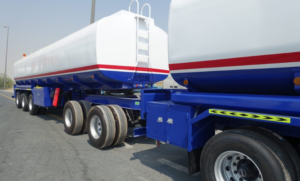
Modern industries continue to seek equipment that combines durability with practical functionality. Organizations looking for reliable Fuel Tanker Trailer UAE solutions often prioritize products designed for strength, stability, and dependable performance throughout challenging industrial applications.
The Role of Reliable Transportation in Industrial Success
Transport equipment serves as a critical link between production, storage, and project sites. Delays caused by inefficient transportation can affect schedules, increase expenses, and reduce overall productivity.
An effective transportation system focuses on:
- Selecting equipment suited to operational requirements
- Planning efficient movement of materials
- Maintaining safe loading practices
- Performing scheduled inspections
- Supporting operator training
- Monitoring equipment performance
These practices help organizations improve workflow while minimizing unnecessary operational disruptions.
Built to Handle Demanding Conditions
Industrial equipment operates in environments where reliability is essential. Continuous use, heavy loads, and varying weather conditions require products designed with long-term durability in mind.
Important construction features include:
- High-strength structural components
- Reinforced chassis
- Corrosion-resistant finishes
- Heavy-duty suspension systems
- Reliable braking performance
Quality engineering allows equipment to maintain dependable operation throughout its service life.
Storage Systems That Improve Operational Efficiency
Proper storage is equally important as transportation in maintaining productive industrial operations. Organized storage protects valuable materials while simplifying inventory management and improving workplace efficiency.
Effective storage systems provide:
- Better organization
- Faster material access
- Reduced product loss
- Improved site safety
- Enhanced operational continuity
Businesses that invest in well-designed storage infrastructure create smoother workflows while reducing unnecessary handling and delays.
Planning Storage for Future Growth
Selecting the right storage solution requires careful evaluation of both current and future operational needs.
Important planning considerations include:
- Storage capacity
- Material characteristics
- Site accessibility
- Maintenance requirements
- Expansion potential
- Environmental protection
Organizations working with an experienced Storage Silos Manufacturer often benefit from storage systems designed to maximize efficiency while maintaining structural reliability over many years.
Preventive Maintenance for Reliable Performance
Industrial equipment performs best when maintenance becomes part of routine operations rather than an occasional task. Preventive servicing helps identify minor issues before they develop into expensive repairs.
Recommended maintenance practices include:
- Inspecting structural components
- Checking braking systems
- Monitoring tire condition
- Lubricating moving parts
- Examining suspension assemblies
- Testing electrical systems
Regular maintenance reduces downtime while extending equipment lifespan.
Strengthening Workplace Safety
Reliable equipment supports workplace safety, but responsible operating procedures remain equally important. Every industrial environment benefits from consistent safety standards.
Key safety practices include:
- Daily equipment inspections
- Following recommended load limits
- Maintaining clear operating areas
- Providing ongoing operator training
- Reporting equipment defects promptly
- Reviewing emergency procedures regularly
These measures help protect employees while maintaining uninterrupted operations.
Engineering That Delivers Long-Term Value
Modern industrial equipment is designed to balance durability, operational efficiency, and ease of maintenance. Advanced engineering improves overall performance while reducing lifetime operating costs.
Well-designed equipment commonly offers:
- Balanced load distribution
- Improved towing stability
- Easy maintenance access
- Strong structural integrity
- Reduced vibration during operation
- Reliable performance across multiple applications
These characteristics contribute to greater operational confidence and long-term value.
Supporting Sustainable Operations
Sustainability has become an important objective across industrial sectors. Efficient equipment helps organizations reduce resource consumption while improving operational performance.
Practical sustainability initiatives include:
- Optimizing transportation schedules
- Extending equipment service life
- Performing preventive maintenance
- Reducing unnecessary fuel usage
- Recycling reusable components where appropriate
These efforts benefit both the environment and long-term business efficiency.
Preparing for Tomorrow’s Industrial Challenges
As industries continue evolving, businesses must prepare for increasing operational demands. Investing in adaptable transportation and storage systems provides greater flexibility for future expansion.
Long-term planning may involve:
- Expanding operational capacity
- Improving maintenance strategies
- Modernizing transport equipment
- Enhancing workforce development
- Continuously reviewing operational performance
Organizations that plan ahead are better positioned to respond quickly to changing market requirements while maintaining high productivity.
Building a Reliable Industrial Future
Successful industrial operations are built through consistent planning, dependable equipment, and continuous improvement. Reliable transportation and efficient storage create a foundation that supports sustainable growth while helping businesses remain competitive in demanding industries.
Conclusion
Strong industrial performance depends on reliable transportation, efficient storage, and proactive maintenance practices. Investing in durable equipment allows businesses to improve productivity, reduce operational interruptions, and support long-term growth. By combining dependable transport systems with well-planned storage infrastructure and responsible maintenance, organizations can create resilient operations that remain efficient, safe, and prepared for future industrial opportunities.