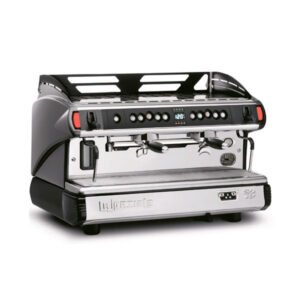
Businesses are constantly looking for ways to improve efficiency while delivering better customer experiences. Beverage preparation is one area where technology can make a noticeable difference. An automatic coffee machine can help simplify routine preparation, improve consistency, and support faster service across offices, restaurants, hotels, and other commercial environments.
Why Businesses Are Investing in Coffee Technology
Coffee is widely consumed in workplaces and hospitality settings, making reliable preparation equipment a practical investment.
Manual preparation may work for small volumes, but higher demand can quickly create delays and increase the workload for employees.
Saving Valuable Time
Automated preparation reduces repetitive tasks. Employees can select the required beverage and allow the equipment to complete much of the process.
This is particularly useful during busy periods when several orders arrive at once.
Reducing Preparation Variations
Human preparation can vary from one employee to another. Differences in measurements, brewing time, and technique may affect the final beverage.
Programmed settings can help create more consistent results.
Financial Benefits to Consider
Businesses should evaluate both direct and indirect benefits when calculating the value of beverage equipment.
Lower Labour Requirements
Automation does not necessarily eliminate staff responsibilities, but it can reduce the amount of time employees spend on repetitive beverage preparation.
This allows employees to focus on customer service, food preparation, cleaning, or other higher-value activities.
Better Ingredient Management
Consistent serving sizes can help control ingredient usage. Over time, better portion management may contribute to lower operational waste.
Features That Can Increase Convenience
One-Touch Preparation
One-touch controls can make beverage preparation straightforward. This is valuable in locations where many employees or customers may use the equipment.
Multiple Beverage Options
Some systems can prepare several beverage styles, providing flexibility without requiring separate equipment for every drink.
Adjustable Settings
Adjustable parameters allow operators to customise beverages according to business requirements and customer preferences.
Suitability for Different Industries
Corporate Offices
Businesses can provide convenient coffee service to employees, visitors, and clients. A dedicated beverage area can also create a more welcoming workplace environment.
Hospitality
Hotels and restaurants can incorporate coffee service into breakfast operations, lounges, meeting facilities, or dining areas.
Retail and Showrooms
Businesses that receive customers throughout the day can offer beverages as part of their hospitality strategy.
Maintenance and Reliability
A coffee system is an investment, so maintenance should be considered before purchase.
Cleaning Schedule
Regular cleaning helps prevent residue accumulation and maintain beverage quality. Employees should understand which components require daily, weekly, or periodic cleaning.
Water Management
Water quality can influence both taste and equipment longevity. Depending on the local water supply, filtration may be beneficial.
Preventive Servicing
Regular technical checks can identify developing problems before they result in unexpected downtime.
Designing an Efficient Beverage Station
A well-designed beverage station should contain everything staff need without creating unnecessary movement.
Ingredients, cups, cleaning supplies, utensils, and related equipment should be positioned logically.
When businesses purchase equipment and kitchen accessories Dubai suppliers provide, they should consider how each item contributes to accessibility, organisation, safety, and efficient staff movement.
Choosing Equipment Based on Volume
A common purchasing mistake is selecting equipment without considering expected usage.
Low-Volume Locations
Small offices or boutique businesses may benefit from compact equipment with straightforward controls.
High-Volume Locations
Large hotels, busy restaurants, and corporate facilities may require higher-capacity equipment designed for frequent use.
Choosing the right capacity helps avoid unnecessary wear and service interruptions.
Questions to Ask Before Purchasing
Businesses should consider:
- How many beverages are expected each day?
- Which beverage types are required?
- How much counter space is available?
- Is a water connection needed?
- How frequently does the equipment require cleaning?
- Is local technical support available?
- Are replacement components easy to obtain?
- What are the expected operating costs?
Answering these questions can make the selection process more practical.
Sustainability Considerations
Energy consumption and waste are increasingly important business concerns. Efficient equipment can contribute to responsible resource management when combined with good operational practices.
Businesses can also reduce waste by monitoring beverage volumes, avoiding unnecessary preparation, and maintaining equipment correctly.
Final Thought
Investing in modern coffee technology can deliver practical benefits in speed, consistency, convenience, and workflow management. The right equipment should match the business’s expected volume, available space, menu, and maintenance capabilities. It should also be integrated with other commercial appliances, from preparation equipment to a blast freezer, to create a complete and efficient professional kitchen.